When we roll out our equipment in Corona California, the first thing we check is whether the topsoil hides organic layers underneath. The rigs we use — a track-mounted excavator for test pits and a direct-push probe for soil sampling — are standard, but the approach changes when we hit dark, fibrous material with that distinctive smell of decomposition. In the alluvial fans along the Santa Ana River and the old marshlands near Prado Basin, organic soils can appear at depths as shallow as 1.5 meters. Our team collects undisturbed samples using thin-walled Shelby tubes to preserve the natural structure, because once you disturb a peat layer, its mechanical properties drop immediately. Before any foundation design starts, we run a loss-on-ignition test per ASTM D2974 to quantify organic content, and we complement that with a granulometry analysis to see how much sand or silt is mixed in with the organic matter.
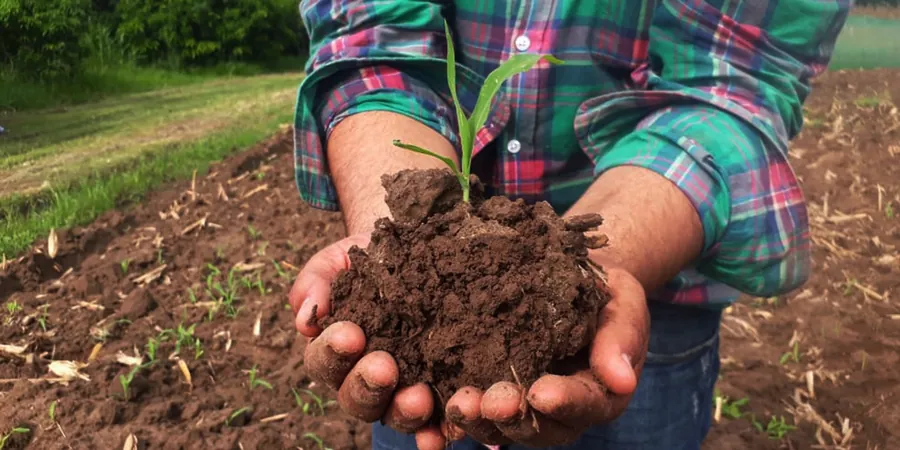
Organic soils in Corona can lose 30% of their volume within five years if left untreated — foundation design must account for long-term settlement from decomposition.
Methodology applied in Corona California
Demonstration video
Typical technical challenges in Corona California
In Corona California, we frequently see developers buy lots near the Santa Ana River floodplain thinking the ground is stable because the surface looks dry. The risk is that organic soils undergo secondary compression — creep — at a much higher rate than mineral soils. Even after preloading, a 2-meter thick peat layer can settle an additional 10 to 20 centimeters over a decade as the organic fibers break down biologically. We had a case in the Dos Lagos area where a parking lot settled 15 cm in three years because the organic soil was only treated with a thin gravel cap. The only reliable way to mitigate this is to either excavate and replace the organic layer with engineered fill, or use preloading with wick drains to accelerate consolidation before construction. Ignoring the biological component of settlement is the single biggest financial risk for any project on organic ground.
Our services
Our organic soil management services in Corona California are designed to give engineers and contractors the data they need before making foundation decisions. We cover the full chain from field sampling to lab analysis and settlement modeling.
Organic Soil Identification & Characterization
Field sampling using Shelby tubes and split-spoon samplers, followed by laboratory tests including loss-on-ignition, fiber content, and Atterberg limits. We classify the material per ASTM D2487 and provide a report that separates organic layers from mineral ones with depth profiles.
Settlement Analysis & Mitigation Design
One-dimensional consolidation tests on undisturbed organic samples to determine compression index (Cc) and secondary compression coefficient (Cα). We model long-term settlement using Terzaghi's consolidation theory combined with decomposition rates, and recommend treatment options such as excavation, preloading, or chemical stabilization.
Frequently asked questions
What is the typical cost range for organic soil testing in Corona California?
For a standard residential or commercial project in Corona, the cost of organic soil testing — including field sampling, loss-on-ignition, Atterberg limits, and consolidation testing — typically falls between US$780 and US$2,600. The final price depends on the number of samples required, the depth of the organic layers, and whether additional tests like fiber content or triaxial shear are needed.
How deep do organic soils typically occur in Corona California?
In our experience across Corona, organic layers are most common within the first 3 to 6 meters below grade, especially near the Santa Ana River corridor and the old Prado Basin wetlands. The thickness of a single organic stratum can range from 0.3 meters to over 2 meters. We've encountered peat lenses as deep as 4.5 meters in the Green River area, always interbedded with silty sands and clays.
What is the difference between organic soil and peat for foundation design?
From a geotechnical standpoint, the distinction is based on organic content by dry mass. Soil with 20% to 75% organic matter is classified as peat; below 20% it is considered organic soil (OH or OL). Peat has much higher compressibility and lower shear strength — typical undrained strengths for Corona peat range from 10 to 30 kPa, while organic clays can reach 40 to 60 kPa. Both require special foundation treatment, but peat almost always requires removal or deep foundation support.
Can I build directly on organic soil without removing it?
In most cases, no. Building directly on untreated organic soil in Corona California leads to excessive total and differential settlement. The organic matter decomposes over time, causing volume loss that no amount of compaction can reverse. Exceptions exist for very shallow organic layers (less than 0.5 meters) that can be bridged with a reinforced slab, or for lightly loaded structures like sheds. For any habitable building, we recommend either excavation and replacement down to mineral soil, or a deep foundation system like piles or micropiles that transfer loads below the organic zone.